
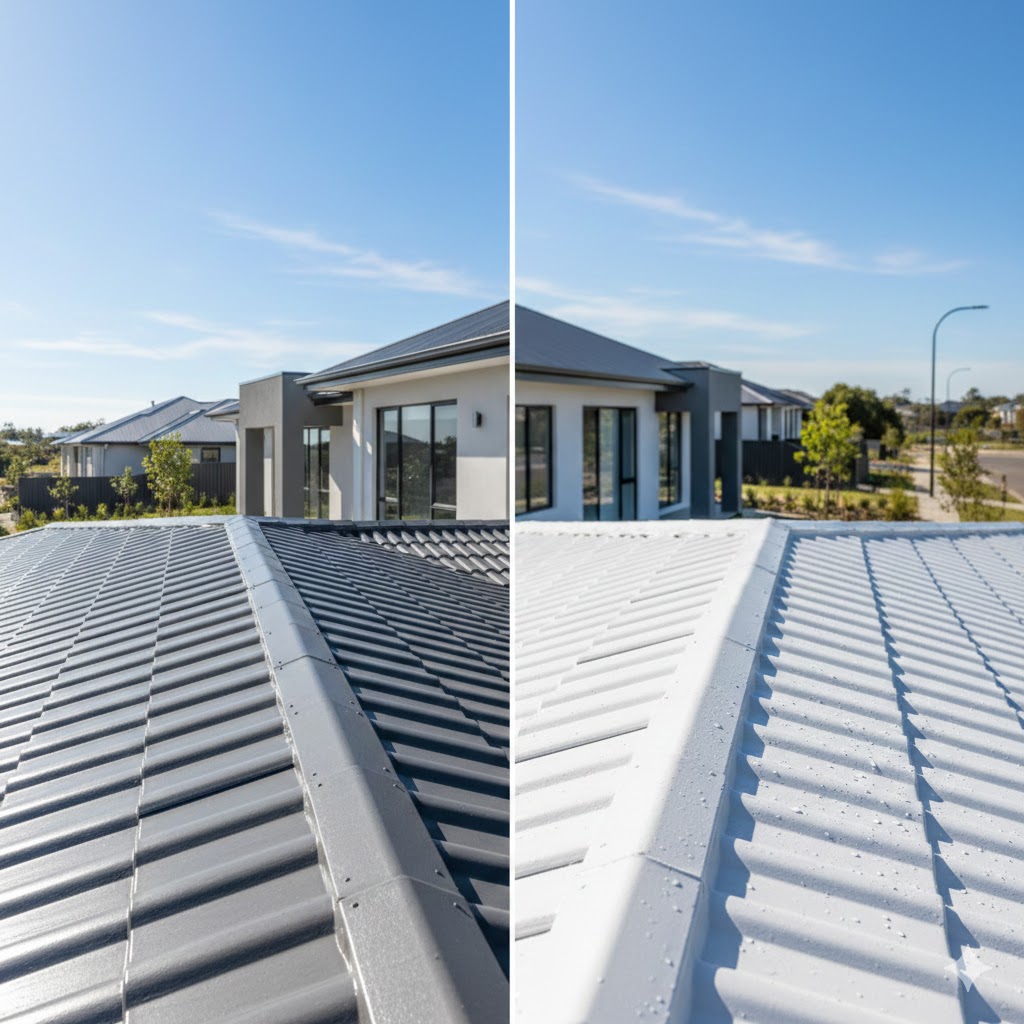
Acrylic vs Elastomeric Roof Coatings Explained Simply
Introduction: Why Roof Coatings Matter More Than Ever
If you’ve ever stood inside your home on a scorching summer afternoon and felt the heat radiating from the ceiling, you already understand why roof protection matters. In Australia, where roofs face relentless sun, heavy rain, strong winds, and coastal salt air, roof coatings aren’t just an optional upgrade—they’re a smart investment. Homeowners today are more informed than ever, and many are asking the same question: Should I choose acrylic or elastomeric roof coatings?
Roof coatings do more than make your roof look fresh. They act like sunscreen, rain jackets, and armour rolled into one. With energy costs rising and property values tied closely to roof condition, choosing the right coating can save thousands over time. Yet, the technical jargon around coatings often makes the decision feel overwhelming.
This guide breaks it all down in plain English. No chemistry degree required. By the end, you’ll understand exactly how acrylic and elastomeric roof coatings differ, which one suits your roof type, and how they fit into broader services like Roof Restoration, Roof Painting, and Cement Tile Restoration offered by professional providers such as Sam’s Roof Coatings. Think of this as a friendly conversation with a roofing expert—just without the ladder.
Understanding Roof Coatings: The Basics
What Is a Roof Coating?
A roof coating is a fluid-applied membrane that cures into a seamless, protective layer over your existing roof. Unlike traditional paint, roof coatings are engineered to stretch, seal, and shield. They fill hairline cracks, reflect UV rays, and create a waterproof barrier that helps prevent leaks.
Roof coatings are commonly used during Roof Restorations to extend the life of aging roofs without the expense of full replacement. Whether it’s cement tiles, terracotta tiles, or metal roofing, coatings act as a second skin for your roof.
How Roof Coatings Protect Australian Homes
Australian roofs endure some of the harshest conditions on the planet. Summer heat can cause roof materials to expand, while winter rains test waterproofing limits. Roof coatings help by:
- Reflecting sunlight to reduce heat absorption
- Preventing water ingress during heavy rainfall
- Reducing wear and tear caused by thermal movement
- Improving overall roof appearance and value
In services like Roof Painting and Terracotta Tile Restoration, coatings play a vital role in both protection and aesthetics.
Acrylic Roof Coatings Explained
What Are Acrylic Roof Coatings Made Of?
Acrylic roof coatings are water-based and made primarily from acrylic polymers. They’ve been used in the roofing industry for decades and are especially popular for residential properties. Because they’re water-based, they’re low in odour, environmentally friendly, and easy to apply.
Acrylic coatings cure by evaporation, forming a durable yet breathable layer. This breathability allows moisture vapour to escape from the roof, reducing the risk of trapped moisture—a common concern in tile roofs.
Key Benefits of Acrylic Roof Coatings
Acrylic coatings are often chosen for their balance of performance and affordability. Some standout benefits include:
- Excellent UV resistance, making them ideal for sunny climates
- High reflectivity, which helps keep homes cooler
- Cost-effective, especially for large roof areas
- Easy maintenance and re-coating
- Eco-friendly, with low VOC content
For homeowners considering Cement Tile Restoration or Roof Painting, acrylic coatings are often the go-to solution due to their compatibility with tile surfaces.
Limitations of Acrylic Roof Coatings
While acrylic coatings perform well in many scenarios, they’re not perfect. They are best suited for roofs with adequate slope, as prolonged ponding water can reduce their lifespan. In areas with frequent heavy rainfall or flat roof sections, performance may vary.
Acrylic coatings also tend to be thinner than elastomeric options, meaning they may require more frequent reapplication over the years.
Elastomeric Roof Coatings Explained
What Makes Elastomeric Coatings Different?
Elastomeric roof coatings are known for one standout feature: flexibility. The term “elastomeric” literally refers to their ability to stretch and return to their original shape. These coatings can expand and contract with your roof as temperatures change, without cracking or peeling.
Elastomeric coatings can be acrylic-based, silicone-based, or polyurethane-based. What unites them is their thick, rubber-like consistency once cured.
Key Benefits of Elastomeric Roof Coatings
Elastomeric coatings are often chosen for roofs that experience extreme conditions or structural movement. Benefits include:
- Superior waterproofing, even in ponding water situations
- High elasticity, ideal for older or movement-prone roofs
- Longer lifespan compared to standard acrylic coatings
- Crack-bridging ability, sealing existing imperfections
These qualities make elastomeric coatings popular in Roof Repair projects where added protection is essential.
Potential Drawbacks of Elastomeric Coatings
The main downside? Cost. Elastomeric coatings are generally more expensive upfront. Application also requires professional expertise, as improper thickness or surface prep can affect performance.
Some elastomeric coatings are less breathable than acrylics, which may not suit all tile roofs without proper assessment.
Acrylic vs Elastomeric Roof Coatings: Side-by-Side Comparison
Durability and Lifespan
Elastomeric coatings typically outlast acrylic coatings, especially in harsh conditions. Acrylic coatings may last 8–12 years with proper maintenance, while elastomeric options can push beyond 15 years.
Waterproofing and Weather Resistance
If waterproofing is the priority, elastomeric coatings take the lead. Acrylic coatings resist rain well but are better suited to sloped roofs.
Energy Efficiency and Heat Reflection
Both coatings reflect sunlight, but high-quality acrylic coatings often have superior reflectivity, making them excellent for reducing cooling costs.
Cost Comparison
Acrylic coatings are more budget-friendly upfront. Elastomeric coatings cost more initially but may offer better long-term value depending on roof conditions.
Best Roof Coating for Australian Conditions
Coastal Homes and Salt Exposure
Coastal properties face salt corrosion and high humidity. Elastomeric coatings often perform better here due to their superior sealing properties.
Urban Homes and Heat Stress
In urban areas where heat retention is a problem, acrylic coatings shine. Their reflective properties help reduce indoor temperatures significantly.
Matching Roof Coatings to Roof Types
Cement Tile Roofs
Cement tiles pair exceptionally well with acrylic coatings, especially during Cement Tile Restoration projects.
Terracotta Tile Roofs
Terracotta tiles benefit from breathable coatings. Acrylic coatings are commonly used in Terracotta Tile Restoration to preserve tile integrity.
Metal and Flat Roofs
Elastomeric coatings are often preferred for metal and low-slope roofs due to their waterproofing strength.
When Roof Coatings Are Used in Roof Restoration
Roof Painting vs Roof Coatings
Roof painting focuses on aesthetics, while coatings provide protection. In comprehensive Roof Restorations, both are often combined for maximum benefit.
How Coatings Extend Roof Life
By sealing micro-cracks and reducing thermal stress, coatings can delay costly roof replacements by many years.
Professional Application vs DIY: What to Know
DIY kits exist, but professional application ensures correct surface preparation, coating thickness, and warranty protection. Roofing specialists understand how coatings integrate with Roof Repair and restoration services.
Common Myths About Roof Coatings
- “They’re just paint” – False
- “They trap moisture” – Not when properly chosen
- “They’re only cosmetic” – Far from it
Maintenance and Longevity Tips
- Annual inspections
- Gentle cleaning
- Prompt repair of damage
Why Choosing the Right Roofing Specialist Matters
A quality coating is only as good as its application. Experienced providers like Sam’s Roof Coatings understand how to tailor solutions across Roof Painting, Roof Restoration, and tile restoration services.
Conclusion: Acrylic or Elastomeric – Which Should You Choose?
There’s no one-size-fits-all answer. Acrylic coatings are cost-effective, reflective, and ideal for most tiled roofs. Elastomeric coatings excel in waterproofing and durability, especially in extreme conditions. The best choice depends on your roof type, location, and long-term goals. A professional assessment makes all the difference.
FAQs
1. Can roof coatings stop leaks completely?
They can prevent future leaks and seal minor ones, but structural issues require repair first.
2. How long does roof coating application take?
Most residential roofs are completed within 1–2 days.
3. Are roof coatings environmentally friendly?
Many acrylic coatings are low-VOC and eco-friendly.
4. Do coatings change roof colour?
Yes, they can refresh or completely change your roof’s appearance.
5. Is roof coating cheaper than replacement?
Significantly cheaper, often extending roof life by a decade or more.
Call Now